Rare UK tree species receives new lifeline in Denbighshire
A rare UK tree has received a new lifeline in Denbighshire
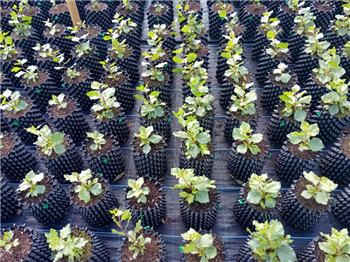
A rare UK tree has received a new lifeline in Denbighshire following the results of a four year long project to help protect the species.
The Councils Biodiversity Team have confirmed through genetic testing that they have managed to grow native Black Poplar trees from seed.
Work took place at the Council’s Tree Nursery based near St Asaph which has been funded by the Welsh Government, through the Local Nature Partnerships Cymru ENRaW project and Local Places for Nature grant.
A local provenance approach is used to source seeds for growing at St Asaph until the trees are ready to be planted on local land. Work carried out includes a mix of preserving and boosting core tree species such as oaks and whilst also lending a supporting hand for conserving rarer trees such as the wild service tree and now, with exciting results - the black poplar.
Black Poplars, although very rare in Denbighshire are native to the ecology of the county’s riverbanks and floodplains. They can be found scattered along the Vale of Clwyd, and can be recognised from their dark fissured bark, leaning trunks, and downward curved branches.
Mature trees grow to 30 metres and can live for 200 years. They are dioecious, meaning there are separate male and female trees.
Black Poplars are thought to have decreased in numbers due to habitat loss from drainage and canalisation of riverbanks, the removal of female trees and their “unsightly” fluffy seeds, and a decrease in demand for their timber as faster growing hybrid poplars were introduced. Centuries ago, Black Poplar wood was used in buildings and various products (poplar wood is heat resistant and used for wagon brake blocks) until the construction industry turned to non-native trees and interest in native black poplar dwindled.
The Biodiversity Team worked to pollinate from surviving males at one Denbighshire location with a female in another part of the county and another male also cross the border in Conwy.
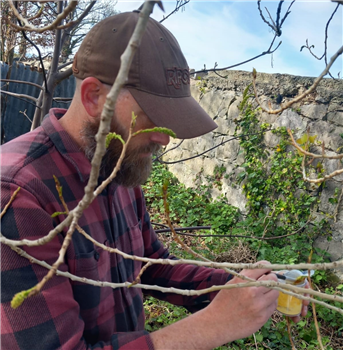
Senior Biodiversity Officer Liam Blazey explained: “The project has been over four years in the making from researching the location of suitable Black Poplar trees to the process the team put in place at the tree nursery to grow more of the rare trees.”
“We are really excited to have grown true native black poplar trees from seed and most importantly the methodology we used to do this has worked as hoped
“The methodology worked by carrying out controlled pollination between selected males and selected females. This has produced viable native Black Poplars and that’s really good news for us and for the species.”
Liam explained the results were sent to Forest Research, Forest Genetics Lab who carried out a DNA fingerprinting test to determine if the work was a success. The results came back positive for all of the randomly selected trees, with the results showing the respective genetic contribution from the expected mother and father.
He said: “The majority of black poplar propagation in recent history has been via taking vegetative cuttings, meaning the same individual and hence genetics is copied many times.
“The fact is we have grown Black Poplars from seed is really nice because it introduces new genetic combinations and hence more resilience to the next generation of black poplars.”
The Council’s Biodiversity Team’s next step in the ongoing work to protect the black poplar will be to collaborate with other groups interested in this rare and iconic tree.
Liam added: “We can’t keep going back to the same female as we may end up with genetic issues down the line, as all the seedlings will be brothers or sisters with the same mother. Going forward we hope to start conversations with other local groups that know of other female Black Poplars, share our methodology and go forward from there and spread out the genes we have here in the natives we have grown. “
Cllr Barry Mellor, Lead Member for Environment and Transport, said: “We are very proud of our Biodiversity team for breathing life into this project to boost Black Poplar species in the county. It is scarce right across the UK and the team’s fantastic efforts will give the tree a chance to thrive once more in Denbighshire.”