Historic ‘tea tree’ set for comeback through Denbighshire growing project
A scarce tree famed for its prowess in providing a tea substitute during the second world war is being given a new lease of life.
Staff at Denbighshire County Council’s Tree Nursery at Green Gates Nature Reserve have taken on a project to boost the number of small-leaved lime trees in the county.
The Council’s tree nursery is funded by the Welsh Government, through the Local Nature Partnerships Cymru project and Local Places for Nature grant.
Nursery staff and volunteers are working to boost species numbers of trees including black poplar, wild service tree and oaks by sourcing seeds from the local area and growing them on.
Small-leaf lime trees used to be dominant in woodlands but due to habitat loss and changes they have become less over time. Finding one of the trees is usually an indicator of a once ancient woodland area.
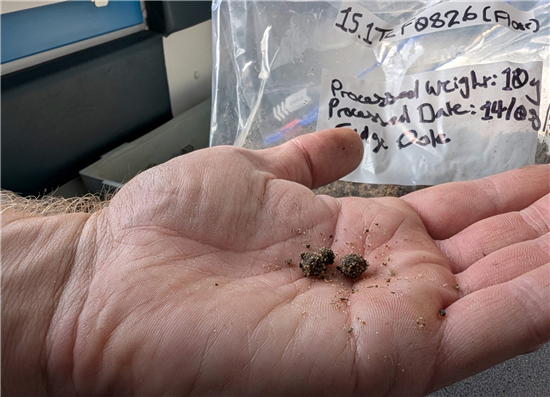
Following seed harvesting locally, nursery staff have secured 110 grams of species seeds which will provide the chance of growing nearly 800 trees on site.
Small-leaf lime trees came into their own during the Second World War due to heavy rationing of standard black tea. The dried flowers and leaves off the tree were used to create a tea substitute.
Flowers off the tree were also valued for the medicinal properties and used in the past for treating headaches and insomnia.
The tree is also a great source for biodiversity as leaves are eaten by the caterpillars of many moth species, are very attractive to aphids, providing a source of food for their predators, including hoverflies, ladybirds and many species of bird. Its flowers also provide nectar and pollen for insects, particularly bees, which also drink aphid honeydew from lime leaves.
The flowers were valued for their medicinal properties and they were considered an effective treatment for insomnia, headaches and other ‘nervous’ disorders.
Councillor James Elson, Lead Member for the Environment and Transport, said: “Our nursery staff and volunteers are looking forward to growing these small-leaved lime trees from locally collected seed and giving them the best possible chance to establish. By nurturing them at the nursery before planting, the team will help improve their survival rates while supporting a native tree species that offers real value for biodiversity, from bees and other pollinators to moths, birds and many other species.”
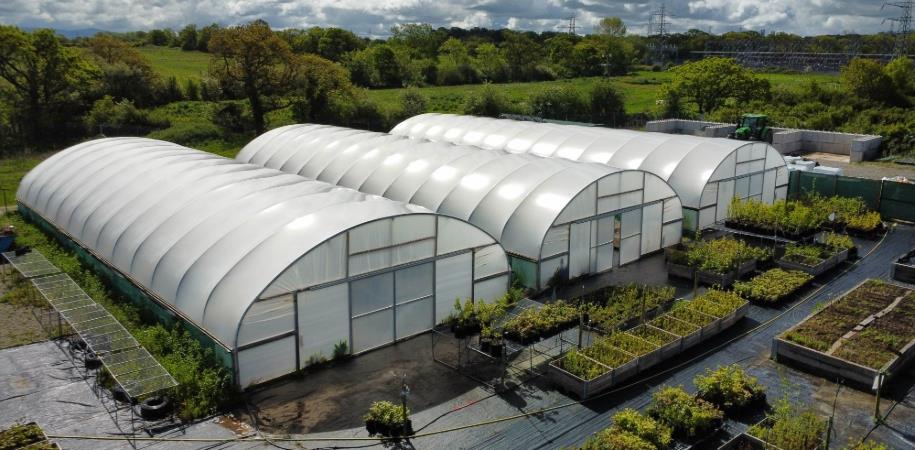 Denbighshire's tree nursery