27/03/2026
Make your own mini meadow to help local nature
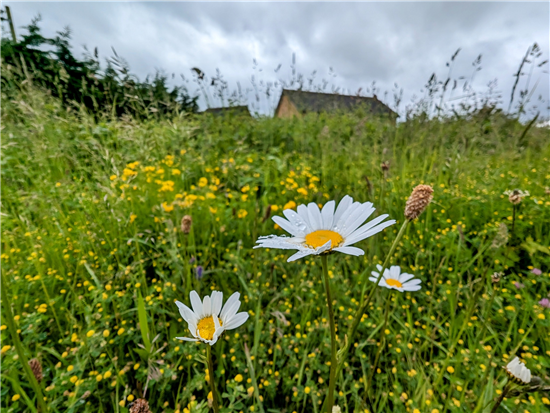
Did you know that it’s easy to give a helping hand to nature from your own back garden?
Preparations are in full swing for our 2026 Wildflower Meadows Project season. The project started in 2019 and includes approximately 70 acres of native wildflower habitat supporting local nature and also helping community wellbeing across the county. It has also been funded by Welsh Government, through the Local Places for Nature funding.
Residents can visit our meadows which are marked with the Bee Friendly sign, but those who want to do their bit from their home can also create their own mini meadow to support nature on their doorstep.
The first step is to decide the best place for your meadow on your garden area. Pick an area that isn’t too shady and where you are ok with leaving the grass long. You can pick the whole garden or just a patch and just simply let your chosen area grow.
During April, it’s the best time to make the decision to let your mini meadow grow as it is. Remember it takes time for a meadow to develop and it’s important to let it develop to see what it will produce.
Wildflowers that will thrive best in your meadow space are oxeye daisies, black knapweed and red campion.
Movement in your meadow will start appearing late May as the wildflowers begin to grow. As June arrives the actual flower can start to appear through your meadow.
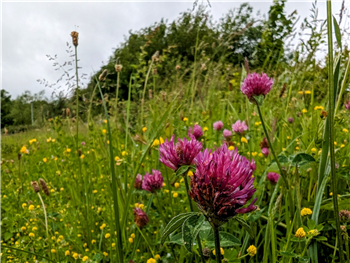
July is when your mini meadow will be at full strength supporting nature, it’s a great time to do a bug hunt through your area to see which insects are enjoying your creation.
As well as looking at what wildflowers you have blooming in your meadow, remember to look at all the different grasses. While we often focus on planting wildflowers for pollinators, many native grasses as just as important for caterpillars of butterflies and moth species.
August is a great time for your mini meadow as you will spot a slow change in what is flowering, with earlier species going to seed, and later species beginning to flower. Species that you might notice flowering at the end of the summer include black knapweed and yarrow, both of which are great for pollinators visiting your garden.
During August its also time to monitor when you need to cut your mini meadow. If you still have plenty of blooms you could leave it to September. You can also vary the cutting times across the year or the different parts of your own meadow depending on the size to make it more diverse for nature support. Cutting will help remove nutrients from the ground giving the wildflowers in the area the best chance to thrive.
Don’t forget to remove all the cuttings once their seeds have dropped and they have dried. A good tip as well is to keep your compost area as far away as your mini meadow to stop excess nutrients leaking back into the area and impacting on the growth of the wildflowers.
As September moves forward, it’s time to give your mini meadow a well-earned rest. You can leave the next cut until April or carry out several cuts to maintain the area if the winter weather stays mild. Before you shut down your mini meadow, take stock of what you have seen come through this season and the insects visiting the site as a record going forward for the next chapter of your own meadow.