19/12/2025
The council's trading standards team warn residents of potential scams this Christmas
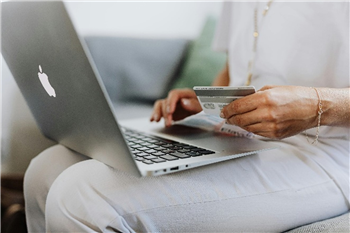
The festive period poses an increased risk of being caught out by scams. The council’s trading standards team share some useful tips to avoid getting scammed this Christmas.
🎄Social media
Fake social media accounts can copy genuine retailer accounts, with posts from these accounts often including links to fake websites. If goods are ordered it is likely that you will not receive them.
When shopping online always search for a website directly through a browser and check that the website contains all the contact details of the seller and a contact address.
🎄Fake websites
Fraudsters can create websites that look identical to genuine reputable websites.
It can be hard to spot a fake website. Get Safe Online has a checker tool which allows you to check if a website is likely to be legitimate or a scam before you visit it. For more information visit - https://www.getsafeonline.org/checkawebsite/
🎄Delivery scams
Delivery scams are very common. Often you will receive a text, or email advising a parcel couldn’t be delivered for some reason and you are directed to use a link to pay a fee to reschedule delivery.
These scams give criminals access to personal and financial information.
Never click on links in delivery texts or emails, if you are expecting a parcel - track it and contact the delivery company through their genuine website.
If you get a scam email forward it to the National Security Cyber Centre report@phishing.gov.uk.
If you get a scam text message forward it to 7726, it will go to your phone provider, and they’ll investigate the matter further.
🎄 Cheap prices
If prices seem too good to be true, they often are.
Goods that are advertised cheaper than those in reputable shops may be counterfeit that have not been through necessary safety checks.
🎄Holiday scams
During the Christmas/New Year period people often start looking to book holidays.
Fraudsters advertise fake holidays, accommodation and websites in an attempt to steal your money.
🎄Ticket fraud
Ticket fraud happens when you buy tickets from an official looking website however the tickets turn out to be fake or never arrive.
When purchasing tickets online, always try and use a credit card or PayPal - Do not buy tickets through direct money transfer.
Only make purchases from sites encrypted for payments - Look for the padlock in the address bar and make sure the website begins with ‘https’.
🎄Loan fee scams
Loan fee fraud occurs where consumers are conned into paying a fee for a loan. The Financial Conduct Authority state that this fee is usually between £25 and £450 but once the fee is paid consumers never receive the loan.
🎄Loan sharks
Christmas can be an expensive time but be aware of loan sharks. These are illegal money lenders who often charge very high rates of interest.
They operate within our communities often taking advantage of vulnerable people. Illegal money lending is a criminal offence. For more information - https://stoploansharkswales.co.uk/
Further useful information can be found below:
Get Safe Online resource hub - https://www.getsafeonline.org/
Scams can be reported to Citizens Advice Consumer Service - https://www.citizensadvice.org.uk/consumer/scams/reporting-a-scam/ or they can be contacted by telephone 0808 223 1133. Welsh language line: 0808 223 1144.