17/12/2025
Denbighshire based bird colony continues heling hand for Little Terns
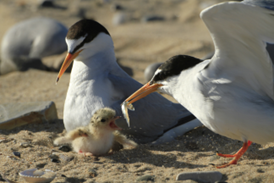 Image by David Woodfall
A Famous Denbighshire bird colony has celebrated its 21st anniversary of supporting a rare summer visitor.
This year marks the 21st year Denbighshire Countryside Service has managed the Little Tern colony at Gronant Dunes.
The area is the largest breeding colony found in Wales. It is known internationally as it contributes to over 10 percent of the entire UK breeding population as well as supporting other colonies.
Little Terns spend the winter in Africa; they arrived at the dunes in May to breed on the shingled beach in a protected site prepared in April by Countryside staff and volunteers. They start flying back south at the end of August.
The bird’s nests consist of just a scrape in the sand, where pairs will take turns in incubating one to three eggs. Little terns feed exclusively on a diet of sand eels, which they fish for out at sea.
Twelve electric fenced pens and a section of strap fencing along the landward side of the colony were constructed to protect the breeding Little Terns.
Also, a boundary fence was implemented to prevent the public from accessing and disturbing the colony. However, the public could drop into a temporary observation centre and bird hide to find about and view the birds from afar.
A team of wardens on site helped look-out for aerial predators – mainly kestrels and peregrine falcons, as well as engaging with the many visitors who come to Gronant each year
This season saw 95 breeding pairs recorded and a total of 103 fledglings, a decrease on the number of young seen during the 2024 season due to factors including predation, the harsh dry weather, and a smaller number outside the pens were lost to spring tides and other predation.
However, the colony an average of 1.08 fledglings per breeding pair, brought a slight increase on figures from last year
Wardens also worked with the British Trust for Ornithology to ring several of the birds to keep track of them in the future. They helped ring 59 chicks with British Trust for Ornithology (metal rings, and a further nine were also ringed with colour rings.
The Little Terns visitor centre hosted a total of 883 visitors to the designated viewing points and 175people engaged in the project via trips and visits to the site. Volunteers from the North Wales Little Tern Group, Denbighshire Countryside Services and Merseyside Ringing Group logged 1085.5 volunteering hours throughout the season.
Countryside staff operate a ‘no-trace’ policy at the colony site, and all equipment is taken off and stored until next spring arrives.
Garry Davies, Countryside Officer and County Allotments Manager, said: “We are proud to be involved for over 20 years with this project which is so much more than the protection of a very rare seabird. The volunteer participation at the colony continues to be higher than any other activity offered by Countryside Services and it’s been great once again to see local schools and a resident group visiting the colony. It also contributes to the Council’s tourism offer with visits from birdwatchers from across the UK.
“It has been a difficult season for the birds as we saw less adults coming into the colony, coupled with no increase in adults at any of the Irish colonies and none at Point of Ayr. However, despite the difficulties faced, it’s great to see the average of fledglings per breeding pair increase to continue supporting this important species.
Cllr Barry Mellor, Lead Member for Environment and Transport and Biodiversity Champion said:. All credit must go to the hard work of our countryside teams, partner groups and the fantastic volunteers who do so much to protect and support this important colony based in Denbighshire.”